CALL FOR A CONSULTATION
CALL FOR A CONSULTATION
CALL FOR A CONSULTATION
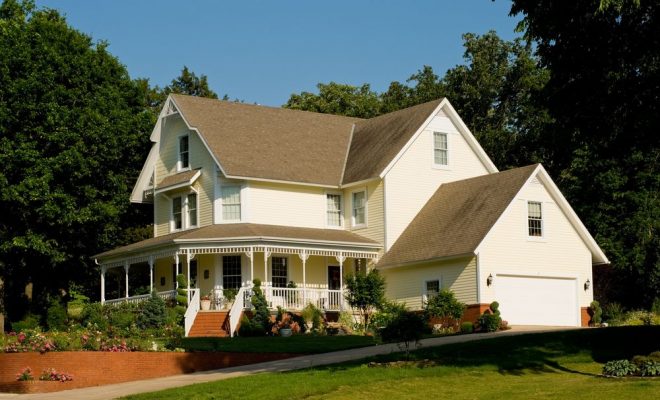
You found the right home, agreed on a price, and the contract is signed. Then someone mentions closing costs, and suddenly there is a whole new list of numbers you did not plan for. Whether you are buying or selling in Florida, those costs can add up to thousands of dollars.
This guide explains, in plain language, what closing costs are, how much buyers and sellers typically pay in Florida, how state taxes on the deed and mortgage are calculated, and how to avoid surprises on closing day.
Florida buyers typically pay about 2% to 5% of the purchase price in closing costs, depending on the loan, the county, and the contract. Sellers typically pay about 6% to 10% of the sale price once real estate commissions are included, or roughly 3% without commissions. These are estimates, and your actual costs depend on your specific deal.
For a $400,000 home, that works out to roughly the following:
| Side | Typical range (estimate) | On a $400,000 home |
|---|---|---|
| Buyer | About 2% to 5% | About $8,000 to $20,000 |
| Seller, including commissions | About 6% to 10% | About $24,000 to $40,000 |
| Seller, excluding commissions | About 3% | About $12,000 |
According to AmeriSave, Florida buyers usually pay between 2% and 5%, and sellers usually pay 6% to 10% once commission is included. Clever Real Estate puts average Florida seller closing costs at about 3.25% before commissions.
Cash buyers usually pay much less than buyers with a mortgage, because many of the biggest buyer costs come from the loan itself.
Buyers with a mortgage usually pay the lender’s fees, the appraisal, the lender’s title insurance policy, state taxes on the mortgage and loan note, recording fees, and money set aside for property taxes and homeowners insurance. Depending on the county and the contract, the buyer may also pay for the owner’s title insurance policy and a survey.
Here are the most common buyer costs:
In Florida, homeowners insurance can be a large and surprising line item, especially for older homes. Get insurance quotes early in the process so the number does not change your budget at the last minute.
Sellers usually pay real estate commissions, the documentary stamp tax on the deed, the cost to pay off their existing mortgage, their share of property taxes for the year, any HOA or condo association fees and estoppel letters, and their own attorney or closing fees. Depending on the contract and the county, sellers may also pay for the owner’s title insurance policy.
Common seller costs include:
Title problems, like an old lien that was never released, can delay a sale and add costs. Our guide to common title defects that can delay your Florida home closing explains what to watch for.
Want to know your real closing costs before you sign?
The Law Offices of Jeffrey R. Stoll, P.A. handles residential and commercial closings across Broward County from our Plantation office.
We review your contract, explain every line item, and help you avoid surprises on closing day.
Call (954) 963-1995 or contact our office to request a closing cost estimate today.
The documentary stamp tax is a Florida state tax on documents used in a real estate sale. The deed is taxed at 70 cents per $100 of the sale price in every county except Miami-Dade. The loan note is taxed at 35 cents per $100 of the loan amount. By common practice, the seller pays the deed tax and the buyer pays the note tax.
According to the Florida Department of Revenue, Miami-Dade County uses a different deed rate of 60 cents per $100, plus a surtax on transfers of property other than a single-family home. According to Florida Tax Calculator, the usual split of who pays is Florida custom, not law, so either side can negotiate a different split in the contract. Always check your agreement.
| Tax | Rate | Usually paid by |
|---|---|---|
| Doc stamps on the deed | $0.70 per $100 of price ($0.60 in Miami-Dade) | Seller |
| Doc stamps on the note | $0.35 per $100 of loan | Buyer |
| Intangible tax on the mortgage | $0.002 per $1 of loan (2 mills) | Buyer |
The intangible tax is a one-time Florida tax on a new mortgage. It equals 2 mills, which is 0.2%, or $2 for every $1,000 you borrow. It is paid at closing when the mortgage is recorded, and it is usually paid by the buyer. Cash buyers do not pay it, because there is no mortgage to record.
According to the Citrus County Clerk of Courts fee guide, the intangible tax is figured at 2 mills on the exact amount being financed. On a $300,000 loan, the intangible tax is $600. It is separate from the documentary stamp tax on the note, so buyers with a mortgage pay both. Together, these two loan taxes are one of the main reasons financed purchases cost more to close than cash purchases.
Here is a simple example of the state taxes on a $450,000 home in Broward County with a $360,000 mortgage. The deed stamps would be $3,150, the note stamps $1,260, and the intangible tax $720. That totals $5,130 in state taxes alone, before title insurance, lender fees, commissions, and other costs are added.
| Item | How it is figured | Amount |
|---|---|---|
| Deed doc stamps (seller) | $450,000 / $100 x $0.70 | $3,150 |
| Note doc stamps (buyer) | $360,000 / $100 x $0.35 | $1,260 |
| Intangible tax (buyer) | $360,000 x 0.002 | $720 |
| Total state taxes | $5,130 |
This example covers only state taxes. Title insurance, lender fees, prepaid items, and commissions come on top. Your closing agent will give you an itemized estimate before closing, and a lender will give buyers a Closing Disclosure at least three business days before closing.
It depends on your contract and local custom, which varies by county in Florida. There are two policies. The lender’s policy protects the bank and is almost always paid by the buyer. The owner’s policy protects you as the owner, and either the buyer or seller may pay for it depending on the agreement. Florida sets title insurance premium rates by law.
Because premiums are set by the state, the savings come from understanding who pays and choosing an experienced closing agent. We cover the exact numbers and who typically pays in our guide on how much title insurance costs in Florida. To learn why the owner’s policy matters, read the role of title insurance in protecting your property investment, or visit our title insurance services page.
Buying or selling in Broward County?
Jeffrey Stoll combines real estate law and title insurance services under one roof, so your closing is handled by an attorney who understands both.
We search the title, spot problems early, and walk you through your settlement statement line by line.
Learn more about our real estate closings or call (954) 963-1995 today.
Yes, some of them. Buyers and sellers can negotiate who pays certain costs in the purchase contract, such as the owner’s title policy, and a buyer can ask the seller for a credit toward closing costs. You can also compare lender fees and some service providers. State taxes and government recording fees are set by law and cannot be negotiated.
Read your contract carefully before signing, because that is where most of these choices are locked in. Having a real estate lawyer review the contract before you sign can prevent expensive surprises later.
Ask for an itemized closing cost estimate early, review your Closing Disclosure or settlement statement as soon as you receive it, and ask questions about anything you do not understand. Confirm wiring instructions by phone using a number you already know, never from an email. Order a title search early so problems can be fixed before closing day.
The type of property matters too. Commercial deals involve more steps and costs than home sales. Our guide to residential vs commercial closings in Florida explains the differences.
Florida does not require a lawyer for every closing, and many are handled by title companies. However, a real estate attorney can review your contract, catch title problems, handle unusual situations like estates or divorces, and explain your legal rights. When something goes wrong at closing, having an attorney already involved can save time and money.
An attorney is especially helpful when:
Our article on what makes a great real estate closing attorney lists what to look for when choosing one.
Florida closing costs are easier to handle when you know what to expect and who usually pays each item. A clear estimate early in the process is the best way to protect your budget. Keep these points in mind before your closing date arrives:
Yes, but usually much less. Cash buyers skip lender fees, the appraisal, the lender’s title policy, and the taxes on the loan note and mortgage. They still typically pay recording fees, prorated property taxes, closing or settlement fees, and possibly the owner’s title policy, depending on the contract and county custom.
Sometimes. Certain loan programs allow some costs to be financed, and a lender may offer a higher interest rate in exchange for credits that cover closing costs. You can also negotiate a seller credit in the contract. Talk with your lender about how each option changes your monthly payment and long-term cost.
Buyers with a mortgage receive a Loan Estimate soon after applying and a final Closing Disclosure at least three business days before closing. Sellers receive a settlement statement from the closing agent before closing. Review these documents carefully, compare them with earlier estimates, and ask about any charge that changed or that you do not recognize.
Property taxes are usually split, or prorated, between buyer and seller based on the closing date. Florida property taxes are paid late in the year for the current year, so the seller typically gives the buyer a credit at closing for the part of the year the seller owned the home. The buyer then pays the full bill when due.
Some may be. Certain items, like prepaid mortgage interest and property taxes, may be deductible for buyers who itemize, while many other costs are added to the home’s cost basis instead. Tax rules change and depend on your situation, so speak with a tax professional about how your closing costs affect your return.
Closing on a Florida property should feel clear, not confusing.
Jeffrey R. Stoll helps buyers and sellers across Plantation, Fort Lauderdale, and Broward County close with confidence.
Get a clear cost estimate, a careful title review, and an attorney who answers your questions.
Call (954) 963-1995 today for a free, no-obligation consultation about your residential closing or commercial closing.