CALL FOR A CONSULTATION
CALL FOR A CONSULTATION
CALL FOR A CONSULTATION
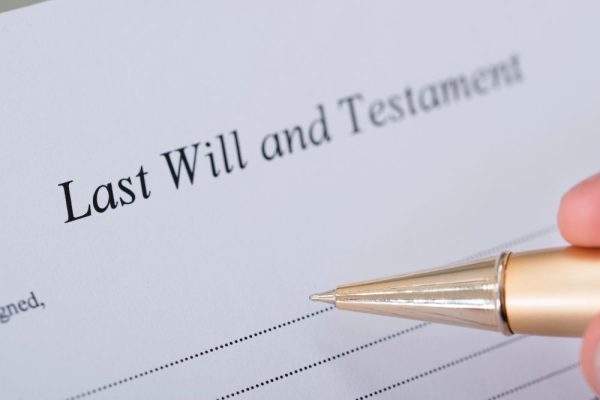
If you already have a valid will, you may still need a trust in Florida. A will controls how your assets are distributed after death, but it usually goes through probate and does nothing to help if you become incapacitated during life. For many Florida families, the stronger plan is a will plus a properly funded revocable living trust. A focused estate planning review can help clarify whether your current will is enough or if you should work with an estate planning attorney to add a trust.
A will tells the court who gets your property after you die, while a trust can hold and manage assets both during your life and after your death, often without court involvement. That is the core difference, and it is why a will alone usually does not give Florida families the same level of control, privacy, or probate avoidance that a trust can provide.
A will takes effect at death and is used by the probate court to transfer your estate. A revocable living trust can be used while you are alive, can continue if you become incapacitated, and can distribute assets privately if it is properly funded and coordinated with your registration and beneficiary designations. If you want detailed guidance on how these tools work in your situation, an estate planning attorney can walk you through the key differences between a will and a full estate plan and help you decide what to do next.
Key differences:
The practical takeaway is this: a will is important for certain functions, but it does not replace what a trust does in Florida estate planning.
Yes, if your goals include avoiding probate, preserving privacy, simplifying transfers for your family, or planning for incapacity, a trust may still be the better tool even if you already have a valid will. In Florida, a will by itself usually means your estate must go through probate unless assets are held in non-probate forms such as payable-on-death accounts, joint ownership, or a properly funded trust.
That does not mean every person must have a trust. If your estate is simple, you have few assets, and you are comfortable with probate, a will may be enough for basic distribution planning. But for most homeowners, parents, and people who want more control over how and when beneficiaries receive money, a trust adds meaningful value. If you are unsure whether your current plan is strong enough, an estate planning attorney can help you decide what changes you should make.
The right answer depends on what you own, who you want to protect, and how much court involvement you want your family to face later. A focused estate planning review can help you decide whether a will alone is sufficient or if a trust is the missing piece.
A will does not avoid probate because it is designed to be used by the probate court, not to bypass it. In Florida, the court must still supervise the transfer of probate assets even if the will is valid and properly signed, because the will itself is the document that the court uses to confirm your wishes and authorize distribution. If your estate is likely to go through probate, a probate attorney can explain the process and help you understand what your family will face.
This matters because probate can create delay, expense, and public disclosure of family and financial details. For many people, those are exactly the problems they hoped a will would solve, but a will alone does not solve them. The Florida probate process also requires an estate personal representative, notices to creditors, and court-filed inventories, which are all part of the administrative overhead. A probate attorney can help you reduce those costs and keep the process as smooth as possible.
A trust is different because assets titled in the name of the trust usually pass without court supervision, assuming the trust is properly funded and the successor trustee follows the terms. That is why a trust is often used as the primary probate-avoidance tool in Florida, while a will remains the backup for probate-only assets and guardianship issues.
A trust makes the most sense when you want to simplify transfers, reduce court involvement, and give someone a clear way to manage assets if you cannot, either during incapacity or after death. It is especially useful if you own Florida real estate, have children, are part of a blended family, or want to keep your affairs private.
A trust is also a strong fit if you want to avoid the delay and cost of probate for your family. Real estate, multiple bank accounts, and investment assets that pass through probate can tie up your estate for months, while a trust can often move those assets more quickly to the people you care about. A trust attorney can help you design a structure that matches your goals and avoids common pitfalls.
A practical rule-of-thumb checklist:
| Situation | Trust is usually worth considering |
|---|---|
| You own a Florida home or investment property | Yes, a trust attorney can help you structure ownership correctly |
| You want to avoid probate and court costs | Yes, a trust can help reduce your exposure to probate |
| You have minor children and complex family dynamics | Often, yes, and an estate planning attorney can help you coordinate guardianship and trusts |
| You value privacy and do not want public records | Yes |
| You want incapacity planning and investment continuity | Yes, a trust can help you manage assets if you cannot |
If a trust is not funded correctly, it may not do what you expect. Assets that are never transferred into the trust or coordinated with beneficiary designations can still end up in probate, which defeats one of the main reasons people create a trust. This is one of the most common estate planning mistakes in Florida: people sign the trust documents but never change titles, deeds, or account ownership. A trust attorney can help you check and correct those issues.
For example, if your Florida home remains titled in your individual name instead of in the name of your trust, the real estate may still need to go through probate unless there is a non-probate transfer mechanism such as a ladybird deed or transfer-on-death beneficiary. Similarly, investment accounts and bank accounts that are not titled in the trust or designated as payable-on-death will still be treated as probate assets. A probate attorney can help you assess how those assets are currently held and how to change them if needed.
A pour-over will can help catch assets that were never moved into the trust and direct them to the trust after death, but it is still a backup, not the main plan. That is why trust planning should include both the trust document and the funding process. Without both, you may still leave your family in probate court, even if you thought you had a complete estate plan. A trust attorney can help you fund your trust properly and keep your estate plan up to date.
Yes, most Florida estate plans still need a will even when a trust is in place, because the will and the trust serve different roles. The will acts as a safety net for assets that were never moved into the trust and can also name guardians for minor children, which a trust alone cannot do. An estate planning attorney can help you draft a will that works together with your trust instead of against it.
This is why a complete plan often uses both documents together. The trust handles assets that are properly titled into it, while the will covers anything else and keeps the plan from breaking down if something was missed. In many Florida plans, the will is a pour-over will that directs any probate property into the trust, so the trust remains the main vehicle for distribution. If you are unsure how your will and trust should coordinate, an estate planning attorney can walk you through the structure and make sure everything is in sync.
In plain language, the trust is the engine and the will is the backup. You usually want both, not one or the other, especially if you own real estate, have children, or want to keep your family out of unnecessary probate. A trust attorney can help you make sure your trust is structured to receive those assets, and your estate planning attorney can help you keep your will in line with your overall plan.
Florida homeowners often benefit from a trust because real estate is one of the most important assets many people own. If your home is titled in your individual name, it may have to go through probate; if it is properly transferred into a trust, the transfer can usually happen more smoothly and with less court involvement for your family. A probate attorney can help you see how probate would play out if your home were not in a trust.
That matters even more when the property is a primary residence, a vacation home, or an investment property. Real estate frequently creates the biggest delay in probate because it has to be identified, valued, and transferred through the court process, which can be both slow and costly. A trust can help avoid that bottleneck if the real estate is titled correctly in the trust’s name from the beginning. A trust attorney can help you complete the titling and check that your deed language supports your intent.
For Florida homeowners, a trust can also help preserve continuity. If you become incapacitated, the successor trustee can step in and manage trust property without waiting for the court to appoint a guardian or personal representative first. That can make a stressful situation much easier for your family and reduce the risk of mismanagement during a difficult time. An estate planning attorney can help you incorporate incapacity planning into your trust and will so that your family is protected in both life and death.
An estate planning attorney can help you decide whether it makes sense to title your Florida home in a trust and how to coordinate that with your other assets and beneficiary designations. That kind of review is especially important if you own more than one property or expect your family to handle the transfer without you being alive to guide them. If you want a second set of eyes, you can schedule a meeting with our estate planning attorney to review your situation.
If you only have a will, the next step is to review whether your estate plan matches your goals now, not when you first signed it. Many Florida families assume their plan is complete until a real event—such as incapacity, death, or a major property transaction—exposes the gap. A focused estate planning review can help you see whether your current documents are sufficient or where they fall short.
A good review should include your home, bank accounts, retirement accounts, life insurance, and any accounts with beneficiary designations, as well as your essential estate planning documents including guardianship, durable power of attorney, and living will. Those documents work together, and leaving one piece out can weaken the whole plan or create confusion for your family later. An estate planning attorney can help you coordinate all of those pieces so that your plan is consistent and strong.
If your current plan has not been updated in years, that is a risk. Marriage, divorce, new children, blended-family situations, and changes in property ownership can all affect whether a will alone is still enough. A focused estate planning review can show you whether you should add a trust or adjust your ownership structure to reduce probate and protect your family more effectively. If you are unsure what to update next, you can contact us to schedule a consultation with our estate planning attorney.
If you want a plan that does more than just name beneficiaries, now is the time to review your documents. A will alone may not be enough to keep your family out of probate or protect your Florida home from unnecessary delays and court involvement. An estate planning attorney can help you build a plan that actually works in real life, not just on paper.
The Law Offices of Jeffrey R. Stoll, P.A. helps Florida families build estate planning strategies that actually work in real life, not just on paper. That means checking your will, trust, property titles, and incapacity documents together so they all align with your current situation and goals. If you already have a will, do not assume your plan is complete. A short review now can prevent a much bigger problem later, especially if you own real estate, have children, or are concerned about your family facing a drawn-out probate process.
Do you need a trust if you already have a will in Florida?
Often, yes. A will controls assets through probate, while a trust can help avoid probate, protect privacy, and provide better incapacity planning. If you own Florida real estate, want to reduce court involvement for your family, or have a complex family situation, a trust is often the better companion to a will. An estate planning attorney can help you decide whether your current will is enough or if you should add a trust.
Does a will avoid probate in Florida?
No. A will is generally used in the probate process, so it does not avoid probate. If your estate is not structured using non-probate tools such as a trust, payable-on-death accounts, or joint ownership, your assets may still need to go through court. Learn more about avoiding probate pitfalls and how a trust or other tools can reduce your exposure.
Can a trust replace a will?
Usually not. A trust can handle assets placed into it, but a will is still needed in most plans to catch leftover assets and name guardians for minor children. Most Florida estate plans work best when both documents are used together. An estate planning attorney can help you draft a will and trust that support each other instead of conflicting.
What happens if I never put assets into the trust?
Those assets may still be subject to probate because the trust only works for property that is actually titled or coordinated correctly. That is why trust funding is just as important as trust drafting. A trust attorney can help you review which assets are in the trust, which are not, and how to fix any gaps.
Is a trust better for Florida homeowners?
For many homeowners, yes. A trust can help transfer real estate more smoothly, reduce probate delays, and preserve privacy. That is especially helpful if the home is a major part of the estate. A trust attorney can help you decide whether to title your Florida home in a trust and how to coordinate it with the rest of your estate plan.
What documents should be in a complete Florida estate plan?
A complete plan often includes a will, a trust if needed, powers of attorney, and medical directives such as a living will and health care designation. These documents work together to cover both death and incapacity planning. Review the essential estate planning documents every Florida resident should have, and speak with an estate planning attorney to keep them up to date.
When should I update my estate plan?
You should revisit your plan after marriage, divorce, a new child, a major property purchase, or a major change in your family structure. If your life changed and your estate plan did not, the plan may no longer match your goals. Read more about the importance of updating your estate plan and how to identify what to change. If you want guidance, you can contact us to review your current estate plan with an estate planning attorney.